Featured
Table of Contents
When individuals consider APIs, the first ones that often enter your mind are public APIs from companies such eBay and Stripe. These APIs have helped countless small services grow and developed effective tech platforms worth numerous billions of dollars. It is personal, or internal APIs, where software application developers devote many of their efforts.
Private APIs enable different applications, many of them saved in the cloud, to share data and services, and deliver actionable insights. Much of this can be done automatically, offering exposure across the company for staff members of every rank.
Partner APIs allow organizations to share their APIs with just choose users and consumers, offering chances to work together, create company collaborations, and gather targeted feedback. Partner APIs constitute 27% of companies' APIs, according to the State of the API report. Public APIs, APIs that are freely available on the internet to all, account for about 15 percent of companies' APIs, according to the State of the API report.
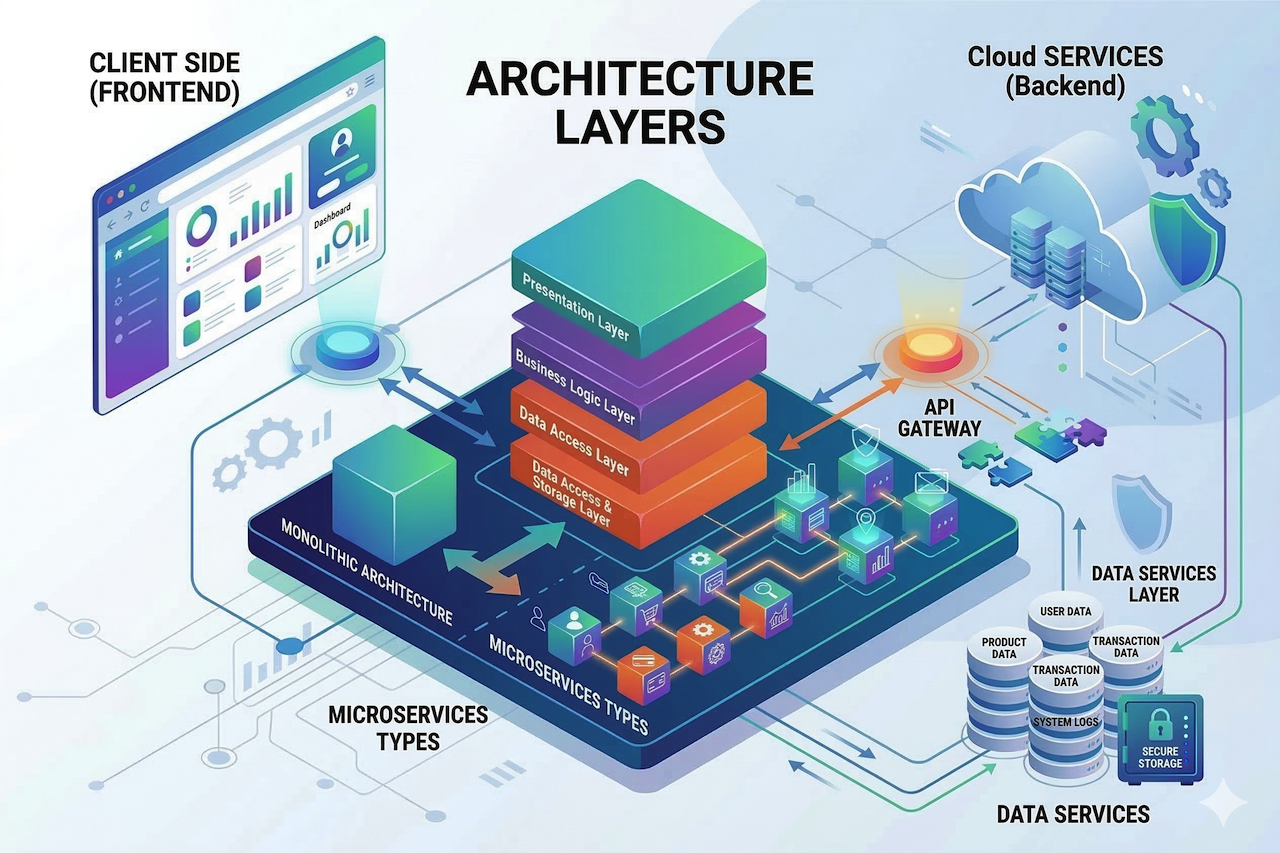
With the pattern towards cloud-native and microservices in software advancement, API-first design is more crucial than ever. APIs are the secret to connecting all those modular components together. They provide your internal developers a trusted way to build extensible, multiple-use software application applications that scale. Building API-first items and services makes sure more businesses can integrate your items into their environments.
API-first style is as much a set of principles as it is a group of innovations, tools, and shows languages. When you get APIs right, you streamline software development, speed up delivery, and future-proof your company for modifications in consumer and market habits. Here's everything you need to understand to get begun with API-first style at your business.
Creating Dynamic Online Platforms Via API-Driven Methods
The concept is to develop, build, and check the API before developing the interface or other aspects of the application. This method encourages developers to think about the API as the core of their application and prioritize its development. API-first style positions the API at the heart of your software advancement, guaranteeing a robust, well-documented, and user friendly interface that supplies access to the underlying services and information.
That makes it simpler to keep and progress the system with time. While APIs depend upon a broad variety of technologies and capability, there are principles every DevOps org needs to practice. Put this list on Notion or print them out for the day-to-day Scrum. They'll become like second-nature when you and your team work them over time.
Critical Factors for Evaluating Modern CMS ToolsSpecify the API agreement as early as you can. This is a comprehensive requirements of the API's functionality consisting of the endpoints, request/response formats, and anticipated behaviors.
This agreement guides designers and guarantees consistency across various parts of the application. Follow standardized design practices (like REST or GraphQL) to make the API more foreseeable and easier to comprehend for developers. Style the API to support future development and additional functions. Each API should be prepared to scale and develop without knowing specific future requirements.
This makes it easier for designers to understand and utilize the API successfully. Produce modular and efficient API endpoints that can be recycled throughout several applications or services. Ensure they can be easily reached accommodate brand-new features or changes in requirements. Establish extensive tests for the API to ensure that it behaves as expected and sticks to its contract.
Why Better CMS Methods Improve Digital Results
Strategy for API versioning and preserve backwards compatibility whenever possible. This decreases interruptions for the applications or services using the API. APIs power the most popular digital services Google Maps, payment platforms like Stripe and Paypal, communication tools like Slack, and generative AI services like ChatGPT built on OpenAI's API.
Due to the fact that of that, they're widely adopted by other companies and integrated into 10s of countless individuals's lives. Google Maps API enables designers to embed maps, search for places, and compute instructions within their own applications. This API has actually been extensively adopted across different markets, powering location-based services and apps.
Its API-driven approach makes it easy for developers to incorporate protected payment processing into their applications. APIs are vital to Stripe's prevalent adoption. Twilio is a cloud communications platform that supplies APIs for designers to incorporate messaging, voice, and video interaction into their applications. This business exists entirely since of how essential APIs are.

Scaling Your Modern Stack With 2026 Technologies
Slack offers APIs that enable developers to create custom combinations and bots to improve the platform's performance for their group's particular needs. APIs make Slack an extensible and versatile option for team communication and collaboration a vital part of why it's so extensively used. The fastest adopted application ever, ChatGPT is powered by OpenAI's API for Big Language Models (LLMs).
By leveraging OpenAI's API, designers can create a wide variety of applications and services to perform jobs like text generation, summarization, translation, question-answering, and more. While these are extremely various product or services for the end users, the underlying innovation that builds the APIs are very similar. These globally adopted tools count on some of the exact same fundamental technology.
Another API description language focused on modeling RESTful APIs in a basic and easy-to-read format. Tools that help in creating, envisioning, and prototyping APIs that support API spec languages.
Why API-Driven Design Optimizes Project Results
Popular API advancement and screening tool that supports designing, recording, and testing APIs in one platform. Collaborative API style platform that supports API Plan and OpenAPI Requirements. Tools that generate and preserve API paperwork based upon the API specs. Creates interactive API paperwork from an OpenAPI Spec, allowing developers to explore and evaluate the API.
Static website generator that produces tidy, responsive, and adjustable API documentation from Markdown files. Tools that enable designers to check their APIs for performance, efficiency, and security. Postman likewise supports API testing. That consists of automatic screening with its integrated scripting language. Extensively used open-source tool for testing both Peaceful and SOAP-based web services.
Open-source efficiency screening tool that can also be utilized to evaluate APIs. Especially useful for load and tension testing. Tools that help manage the whole lifecycle of an API from design to implementation. They likewise provide features like access control, rate restricting, and analytics. Comprehensive API management platform by Google that offers tools for designing, securing, and evaluating APIs.
How API-Driven Design Empowers Modern Enterprises
Open-source API gateway and platform that assists handle APIs and microservices. In general, your CIO will care about these strategic returns from focusing on APIs in software development: API-first style enables your business to develop and release new features, items, and services more rapidly.

Latest Posts
How Conversational Search Affect Local Discovery
Why API-Driven Development Optimizes Digital Results
Why Machine Learning Influences 2026 Ranking Signals